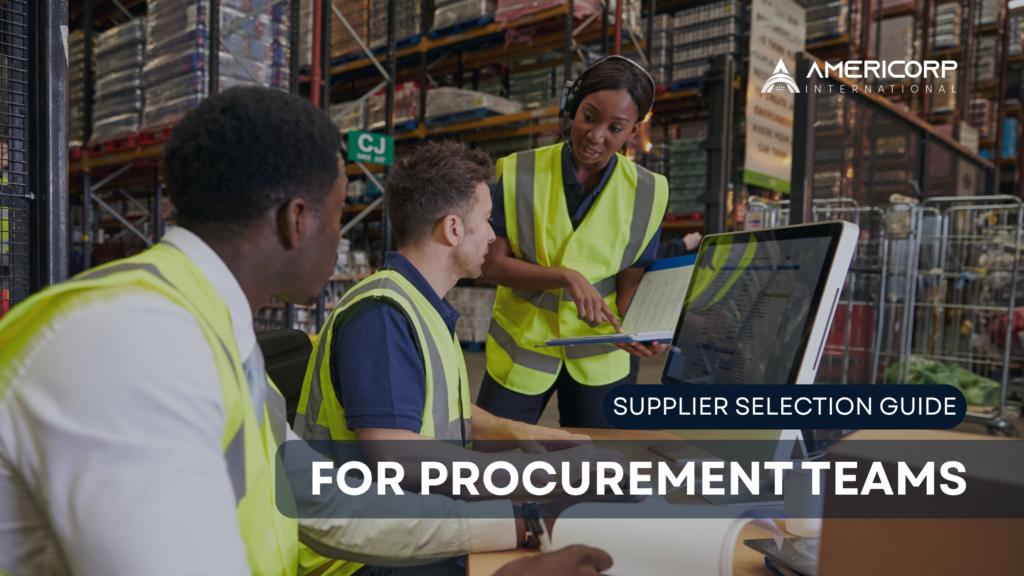
Choosing the right supplier is one of the most important decisions a procurement team can make. The quality of your suppliers directly affects product quality, operational efficiency, customer satisfaction, and overall business performance. Yet, with countless options available, evaluating suppliers objectively can be a significant challenge.
This guide explores the key factors procurement professionals should consider when selecting suppliers and outlines a practical framework for making informed, data-driven decisions.
Why Supplier Selection Matters
Supplier selection goes beyond comparing prices. A supplier becomes a strategic partner that contributes to your organization’s long-term success. Selecting the wrong supplier can lead to:
- Delayed deliveries
- Inconsistent product quality
- Increased operational costs
- Compliance and regulatory risks
- Supply chain disruptions
A structured supplier evaluation process helps reduce these risks while strengthening supply chain resilience.
Common Challenges in Supplier Evaluation
Many procurement teams face similar obstacles during the supplier selection process:
Limited Visibility
Procurement professionals often struggle to access complete and reliable information about potential suppliers, making objective comparisons difficult.
Balancing Cost and Quality
The lowest price doesn’t always represent the best value. Organizations must consider total cost of ownership, product quality, and long-term reliability.
Inconsistent Evaluation Criteria
Without standardized assessment methods, supplier selection can become subjective, leading to inconsistent purchasing decisions across departments.
Managing Supplier Risk
Financial stability, geopolitical risks, environmental compliance, and operational resilience all influence a supplier’s ability to deliver consistently.
Key Criteria for Evaluating Suppliers
A comprehensive supplier evaluation should include multiple performance indicators rather than focusing solely on pricing.
1. Quality Standards
Assess the supplier’s quality management systems, certifications, inspection processes, and historical defect rates. Consistent quality reduces rework, warranty claims, and production delays.
2. Cost and Total Value
Evaluate:
- Product pricing
- Shipping costs
- Payment terms
- Inventory carrying costs
- After-sales support
- Total cost of ownership
Looking beyond the initial purchase price provides a more accurate financial picture.
3. Delivery Performance
Reliable suppliers consistently meet agreed delivery schedules. Review historical on-time delivery rates, lead times, production capacity, and contingency planning.
4. Financial Stability
Financially healthy suppliers are more likely to sustain operations during economic fluctuations. Consider credit ratings, business longevity, and financial performance where available.
5. Compliance and Certifications
Ensure suppliers comply with industry regulations, safety requirements, environmental standards, and relevant certifications for your sector.
6. Communication and Responsiveness
Strong supplier relationships depend on transparent communication, timely responses, and proactive problem-solving.
Building a Supplier Evaluation Scorecard
One of the most effective ways to compare suppliers is by creating a weighted scorecard.
For example:
| Evaluation Criteria | Weight |
| Product Quality | 30% |
| Cost | 25% |
| Delivery Performance | 20% |
| Compliance | 10% |
| Financial Stability | 10% |
| Customer Service | 5% |
Each supplier receives a score for every category, creating a standardized and objective comparison process.
Best Practices for Procurement Teams
To improve supplier selection outcomes, procurement teams should:
- Define clear evaluation criteria before sourcing begins.
- Use standardized scorecards across all supplier assessments.
- Request references and verify past performance.
- Conduct supplier audits when appropriate.
- Monitor supplier performance continuously after onboarding.
- Review supplier data regularly to identify improvement opportunities.
Supplier evaluation should be an ongoing process rather than a one-time activity.
How Technology Improves Supplier Selection
Modern procurement solutions help organizations streamline supplier evaluation by centralizing supplier information, automating assessments, and providing real-time performance insights.
Digital procurement platforms can assist with:
- Supplier qualification
- Performance tracking
- Risk monitoring
- Document management
- Compliance verification
- Data-driven decision-making
By replacing manual processes with standardized digital workflows, procurement teams can make faster, more informed supplier decisions.
Final Thoughts
Effective supplier selection is the foundation of a resilient and efficient supply chain. By evaluating suppliers using consistent criteria, considering long-term value instead of short-term costs, and leveraging technology to support decision-making, procurement teams can minimize risk and build stronger supplier partnerships.
At Americorp International, we understand that successful procurement starts with informed supplier selection. By adopting structured evaluation frameworks and best practices, organizations can improve procurement performance, strengthen supply chain resilience, and support sustainable business growth.